
Introduction
Lighting is one of those subtle design elements that quietly shapes the way a home feels. You may not always notice it at first glance, but the moment it’s wrong, everything else seems slightly off. Among all lighting fixtures, chandeliers hold a unique place. They are decorative, functional, and often the centerpiece of a room. But even the most beautiful chandelier can fall flat if the bulbs inside it are poorly chosen.
That’s where understanding chandelier light bulbs becomes essential. These bulbs are not just about brightness—they influence mood, energy usage, style, and even how colors appear in your room. From warm glowing dining rooms to bright, elegant entryways, the right bulb can completely transform the atmosphere.
This in-depth guide will walk you through everything you need to know. We’ll explore bulb types, shapes, brightness, energy efficiency, design harmony, and more—all in a clear, conversational way that makes even technical details easy to grasp.
Why Choosing the Right Bulbs Matters More Than You Think

At first glance, it might seem like any bulb that fits the socket will do the job. But chandeliers are different from regular light fixtures. Unlike ceiling lights or lamps, chandelier bulbs are often visible, meaning they contribute directly to the overall look.
When you choose the right chandelier light bulbs, you’re doing more than just lighting a room—you’re enhancing texture, highlighting architectural features, and setting a tone. A warm glow can make a dining space feel intimate, while a brighter, cooler light might suit a modern living area.
Another important factor is light distribution. Chandeliers are designed to spread light evenly, but the bulb type affects how well that actually happens. Some bulbs scatter light softly, while others focus it more directly.
So instead of thinking of bulbs as a minor detail, it’s better to see them as an integral part of your interior design.
Understanding Different Types of Bulbs
LED Bulbs: The Modern Standard
LED bulbs have become the go-to choice for most homeowners, and for good reason. They are highly energy-efficient, long-lasting, and available in a wide range of styles.
One of the biggest advantages of LED chandelier light bulbs is their versatility. Whether you want a vintage filament look or a sleek modern glow, there’s an LED option that fits.
They also produce very little heat, which makes them safer for enclosed or decorative fixtures. Over time, their energy savings can significantly reduce electricity bills, making them both a practical and eco-friendly choice.
Incandescent Bulbs: Classic and Warm
Incandescent bulbs are the traditional option that many people still associate with chandeliers. They produce a warm, soft light that feels cozy and inviting.
However, they are not very energy-efficient and tend to burn out quickly compared to newer technologies. Still, for antique chandeliers or spaces where authenticity matters, they remain a popular choice.
Halogen Bulbs: Bright and Crisp
Halogen bulbs are a step up from incandescent in terms of efficiency and brightness. They produce a clean, white light that works well in spaces where clarity is important.
They are also dimmable, which adds flexibility. However, they can get quite hot, so they need to be handled with care.
CFL Bulbs: Functional but Less Popular
Compact fluorescent lamps were once a popular energy-saving option. While they are more efficient than incandescent bulbs, their bulky design makes them less suitable for chandeliers.
Most people today prefer LED options instead, as they offer better aesthetics and performance.
Choosing the Right Shape for Visual Impact
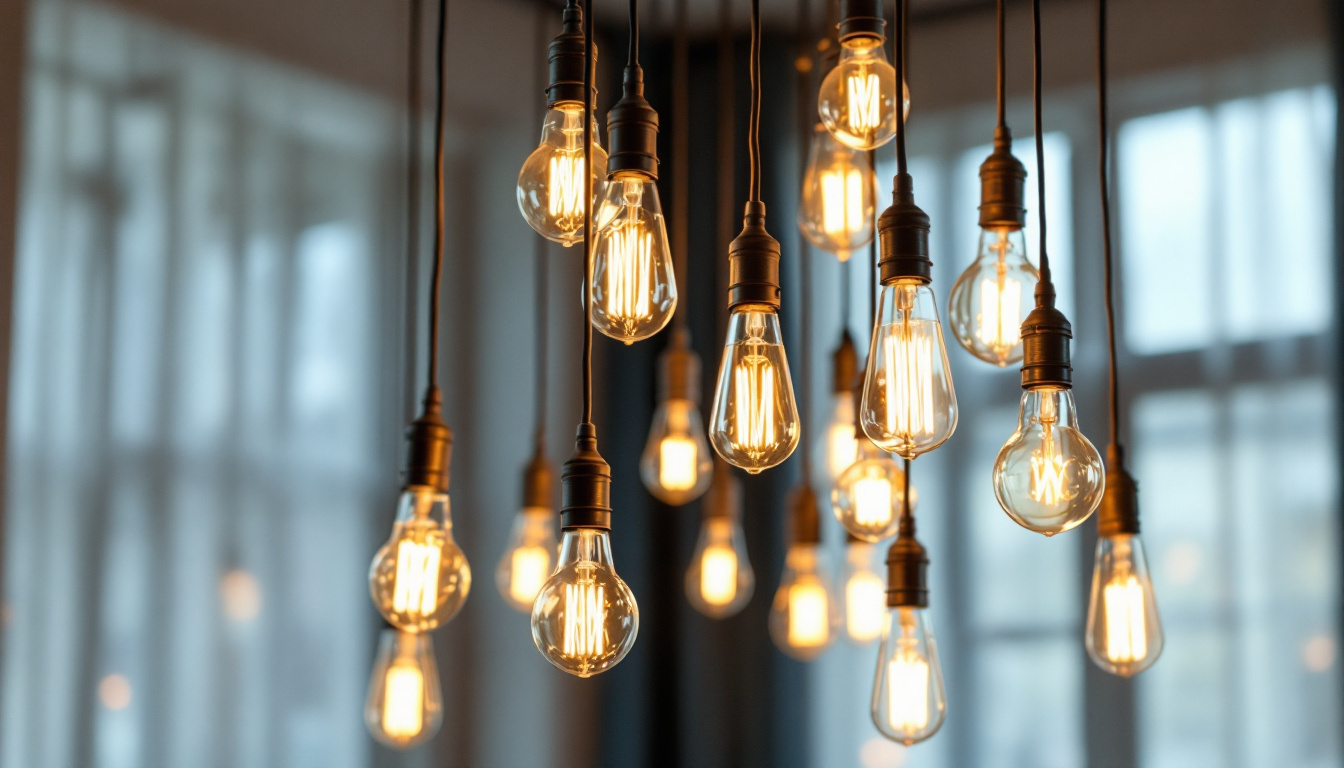
Candle Bulbs for Traditional Elegance
Candle-shaped bulbs are perhaps the most iconic choice for chandeliers. They mimic the look of old-fashioned candle flames and are perfect for classic or vintage designs.
They work beautifully in dining rooms, hallways, and formal living spaces where elegance is a priority.
Globe Bulbs for Modern Appeal
Globe bulbs offer a more contemporary look. Their round shape adds a clean and minimalistic touch, making them ideal for modern interiors.
They also distribute light evenly, which can help brighten larger spaces.
Flame Tip Bulbs for Decorative Flair
Flame tip bulbs add a touch of drama. Their flickering effect can create a cozy, almost magical atmosphere.
They are often used in decorative chandeliers where visual impact is just as important as illumination.
Choosing the right shape ensures that your chandelier light bulbs enhance the fixture rather than detract from it.
Brightness: Finding the Perfect Balance
Brightness plays a crucial role in how a room feels. Too dim, and the space may feel dull. Too bright, and it can become uncomfortable.
Instead of focusing on watts, it’s better to look at lumens. Lumens measure the actual light output, giving you a clearer idea of how bright a bulb will be.
For most chandeliers, a range of 400 to 800 lumens per bulb works well. This provides enough light without overwhelming the space.
Larger rooms or high ceilings may require higher brightness, while smaller areas benefit from softer lighting.
Color Temperature and Mood Setting
Color temperature is measured in Kelvin and determines whether light appears warm or cool.
Warm light, typically around 2700K to 3000K, creates a cozy and inviting atmosphere. It’s perfect for dining rooms and living spaces.
Neutral light offers a balance, making it suitable for multi-purpose areas. Cool light, on the other hand, is brighter and more energizing, often used in workspaces.
When selecting chandelier light bulbs, most people prefer warm tones because they enhance comfort and relaxation.
Energy Efficiency and Long-Term Savings
Energy efficiency is no longer just a bonus—it’s a necessity. Modern lighting solutions focus on reducing energy consumption without compromising performance.
LED chandelier light bulbs use significantly less electricity compared to traditional options. They also last much longer, reducing the need for frequent replacements.
This not only saves money but also reduces environmental impact. Over time, the benefits of switching to energy-efficient bulbs become quite noticeable.
Dimmable Lighting for Versatility
Dimmable bulbs add a layer of flexibility that standard bulbs cannot match. They allow you to adjust brightness based on the occasion.
A bright setting might be ideal for cleaning or hosting guests, while a dimmed setting creates a relaxed, intimate atmosphere.
Not all bulbs are dimmable, so it’s important to check compatibility with your fixture and switch.
Comparing Bulb Types
| Feature | LED Bulbs | Incandescent Bulbs | Halogen Bulbs |
|---|---|---|---|
| Lifespan | 15,000–25,000 hrs | 1,000 hrs | 2,000–4,000 hrs |
| Energy Efficiency | High | Low | Medium |
| Heat Output | Low | High | Medium |
| Cost | Higher upfront | Low upfront | Moderate |
| Light Quality | Excellent | Warm & soft | Bright & crisp |
This table highlights why LEDs are often the preferred choice for modern homes.
Design Harmony: Matching Bulbs with Interiors

Lighting should always complement your décor. A mismatch can disrupt the overall aesthetic.
For example, a sleek modern chandelier pairs well with minimalist bulbs, while a vintage fixture looks best with decorative filament designs.
Carefully chosen chandelier light bulbs can tie together different elements in a room, creating a cohesive look.
Maintenance and Care
Keeping your chandelier in top condition requires regular maintenance. Dust and dirt can reduce brightness and affect the overall appearance.
Cleaning bulbs gently and replacing them when needed ensures consistent performance. High-quality bulbs tend to last longer, making maintenance easier.
Common Mistakes to Avoid
One of the most common mistakes is ignoring compatibility. Not all bulbs fit all fixtures, so checking the base type is essential.
Another mistake is choosing the wrong brightness level. Too much light can feel harsh, while too little can make a room seem dull.
Overlooking energy efficiency is also a missed opportunity, especially when better options are readily available.
Smart Lighting: The Future of Chandeliers
Smart lighting is becoming increasingly popular, offering features like remote control, scheduling, and color adjustment.
Modern chandelier light bulbs now include smart capabilities, allowing you to customize lighting with ease.
This technology adds convenience and enhances the overall lighting experience.
Quick Selection Guide
Best Choice: LED bulbs
Ideal Brightness: 400–800 lumens
Preferred Color: Warm white (2700K–3000K)
Key Feature: Dimmable option
Energy Saving: Up to 80%
FAQs About Chandelier Lighting
What type of bulb is best for chandeliers?
LED bulbs are generally the best due to their efficiency, longevity, and wide range of styles.
Can I mix different bulb types in one chandelier?
It’s not recommended, as it can create uneven lighting and affect the overall look.
Are dimmable bulbs necessary?
They are not essential but highly beneficial for adjusting ambiance.
How often should chandelier bulbs be replaced?
It depends on the type, but LEDs can last several years with regular use.
Do bulbs affect the look of a chandelier?
Yes, significantly. The shape, brightness, and color all contribute to the final appearance.
Conclusion: Lighting That Elevates Your Space
Choosing the right lighting is about more than just visibility—it’s about creating an experience. A chandelier has the power to define a room, but only when paired with the right bulbs.
From understanding types and shapes to balancing brightness and efficiency, every detail matters. Investing in quality chandelier light bulbs ensures your fixture not only looks stunning but also performs efficiently for years to come.
Take the time to evaluate your needs, explore your options, and make thoughtful choices. The result will be a beautifully lit space that feels both functional and inviting.
Read More:-Elevate Interiors with Elegant Savoy House Lighting Designs

