
Introduction
A living room is more than just a shared space inside a home—it is the emotional center where conversations happen, guests are welcomed, and families relax after long days. Among all interior elements, the sofa remains the most dominant feature that defines comfort, personality, and visual balance.
A well-planned seating arrangement can transform even a simple room into a sophisticated living area. From compact apartments to spacious villas, the right design decisions can elevate both aesthetics and functionality without overwhelming the space.
In modern interiors, the importance of thoughtful furniture selection continues to grow, especially when homeowners want a balance of elegance and practicality. That is why understanding how seating elements interact with space, color, and lifestyle is essential.
This guide explores deep insights into layout planning, material selection, color psychology, trends, and maintenance strategies while naturally incorporating sofa set design principles throughout the discussion.
Understanding Living Room Flow and Visual Balance
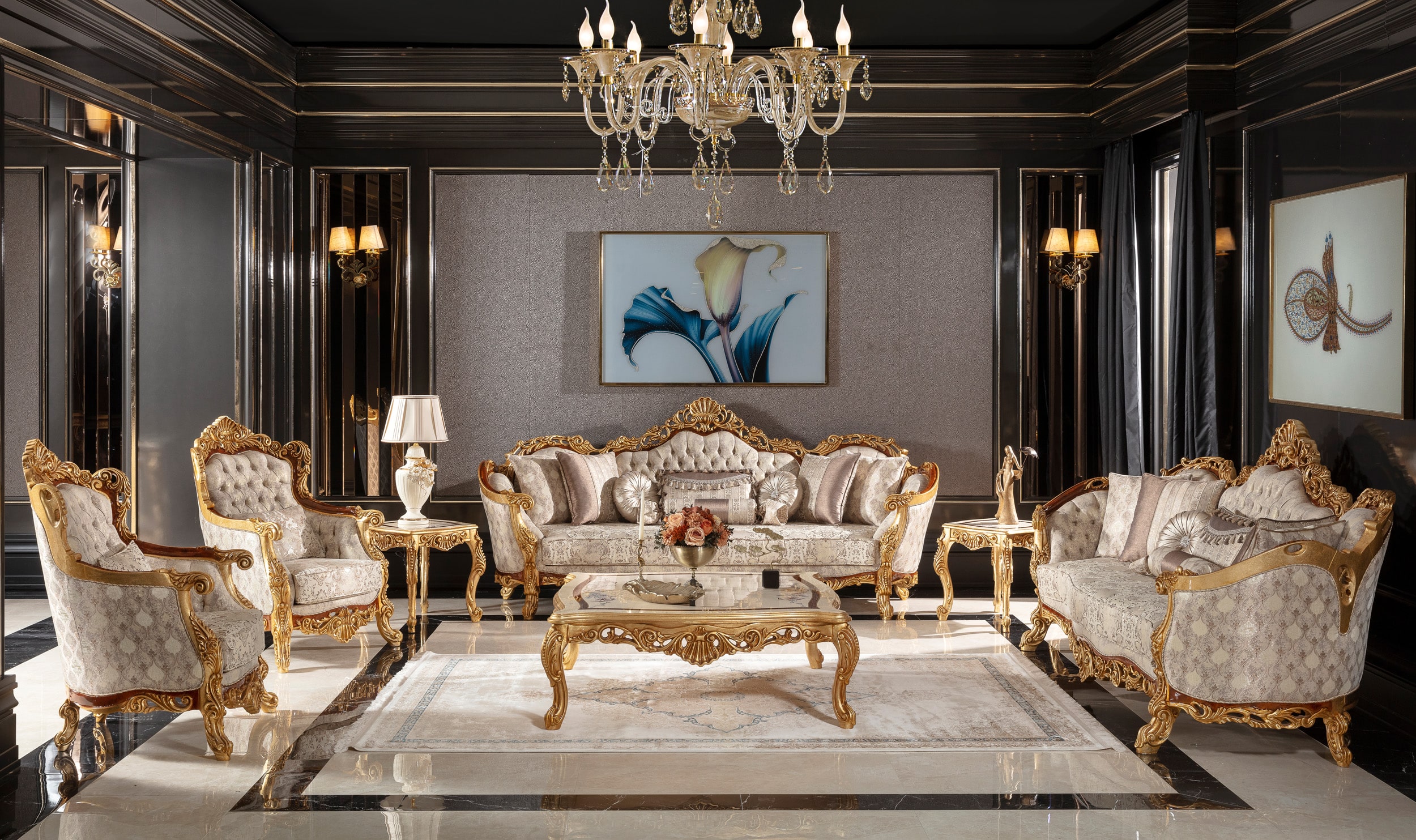
A well-balanced living room depends heavily on how furniture is arranged in relation to movement and focal points. The sofa often anchors the entire space, influencing where other elements like tables, rugs, and décor items are placed.
Proper spacing ensures that the room does not feel congested or empty. Instead, it creates a natural rhythm that guides the eye smoothly from one corner to another.
When working with sofa set design, one of the most important considerations is circulation space. A poorly placed sofa can block pathways or disrupt visual symmetry, while a well-placed one enhances openness and comfort.
Natural light also plays a role in defining layout success. Sofas placed near windows often feel more inviting and vibrant, while darker corners can be balanced with lighter upholstery.
The goal is always to ensure harmony between functionality and aesthetics so that the living room feels both practical and visually pleasing.
Evolving Styles That Shape Modern Interiors
Interior design has evolved significantly over the past decade. Sofas are no longer just static seating arrangements; they have become expressive pieces of art that reflect personality and lifestyle choices.
Traditional designs often feature carved wooden frames and rich fabrics, offering a sense of heritage and luxury. These styles are still popular in homes that prefer classic elegance.
Modern styles, however, focus on simplicity and clean lines. Neutral shades, low-profile seating, and modular forms dominate contemporary homes.
Minimalist interiors emphasize open space and subtle design choices, where furniture blends seamlessly into the background rather than dominating it.
The concept of sofa set design in modern homes revolves around adaptability. Many homeowners now prefer flexible seating arrangements that can be modified depending on social gatherings or daily use.
This shift toward multifunctional furniture reflects changing lifestyles, especially in urban environments where space optimization is essential.
Materials That Define Comfort and Longevity
Choosing the right material is one of the most important decisions when selecting a sofa. It affects durability, comfort, maintenance, and even the overall mood of the room.
Fabric sofas remain a popular choice due to their softness and variety. They are available in numerous textures, colors, and patterns, making them suitable for almost any interior theme.
Leather sofas, on the other hand, provide a luxurious and polished look. They are durable but require regular maintenance to preserve their shine and texture.
Wooden frames form the structural backbone of high-quality sofas, ensuring long-term strength and stability.
Velvet upholstery adds richness and depth, making it ideal for elegant and sophisticated interiors.
When planning sofa set design, material selection should always align with lifestyle needs. Families with children or pets may prefer durable and easy-to-clean fabrics, while luxury-focused homes may prioritize visual appeal over maintenance ease.
Below is a detailed comparison table for better clarity:
| Material Type | Comfort Level | Durability | Maintenance Level | Ideal Use |
|---|---|---|---|---|
| Fabric | High | Medium | Moderate | Family homes |
| Leather | Medium-High | High | High | Luxury interiors |
| Velvet | Very High | Medium | High | Elegant spaces |
| Wood Frame | N/A | Very High | Low | Structural support |
Each material contributes differently to the final look and feel of the space, making thoughtful selection extremely important.
Smart Layout Planning for Functional Spaces
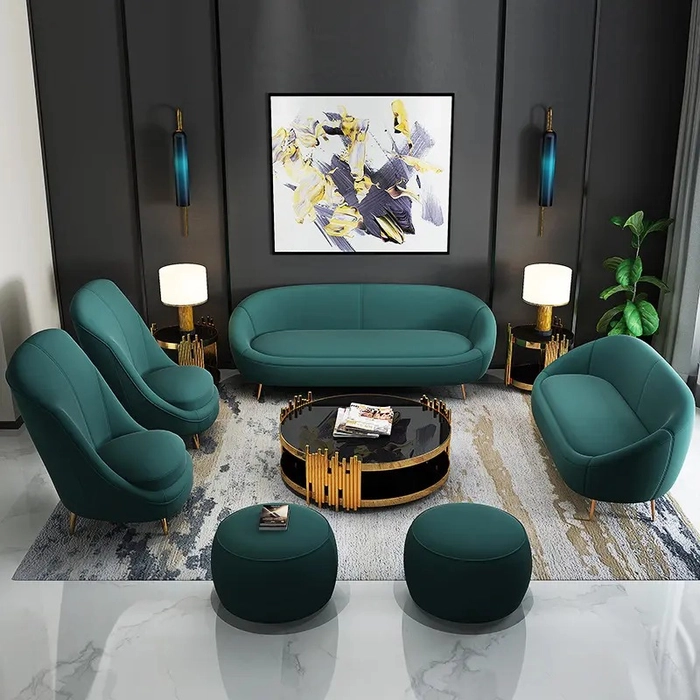
Space planning is one of the most critical aspects of interior design. A well-designed living room ensures that furniture placement enhances movement rather than restricting it.
Before placing any furniture, measuring the room accurately is essential. This helps avoid overcrowding and ensures that each element has enough breathing space.
Corner layouts are ideal for small apartments, where L-shaped seating maximizes seating capacity without occupying excessive floor area.
Straight-line arrangements work well in narrow rooms, maintaining simplicity and flow.
Modular seating is becoming increasingly popular because it allows flexibility. Homeowners can rearrange seating based on occasions, making it highly practical for modern lifestyles.
Lighting also enhances layout effectiveness. Warm lighting creates a cozy atmosphere, while natural light highlights textures and colors beautifully.
In modern sofa set design, flexibility and adaptability are prioritized to accommodate changing needs and lifestyles.
Color Psychology and Emotional Impact in Interiors
Colors have a strong psychological influence on mood and perception. Choosing the right sofa color can significantly affect how a room feels.
Neutral shades like beige, ivory, and grey create a calming environment that feels balanced and spacious. These tones are widely used in modern homes due to their versatility.
Bold colors such as deep blue, emerald green, and burgundy add personality and make the sofa a focal point.
Patterns and mixed textures can enhance depth and visual interest, especially in minimalist interiors.
Soft fabrics contribute to comfort, while textured materials add richness and detail.
A well-thought-out sofa set design often considers emotional balance, ensuring that colors align with the desired mood of the space—whether calm, energetic, or luxurious.
Emerging Trends in Contemporary Sofa Design
Modern interior trends are constantly evolving, influenced by lifestyle changes, technology, and sustainability awareness.
One of the biggest trends is modular furniture, which allows users to customize seating arrangements easily. This is especially useful for urban homes where flexibility is essential.
Eco-friendly materials are also gaining popularity, reflecting a growing awareness of environmental responsibility.
Smart furniture innovations now include built-in charging ports, storage compartments, and adjustable features that enhance convenience.
Neutral color palettes combined with bold accent pieces remain a strong trend in modern interiors.
The evolution of sofa set design reflects a shift toward smarter, more sustainable, and highly functional living spaces that prioritize user comfort.
Buying Guide: Making the Right Investment
Purchasing a sofa is not just about appearance—it is a long-term investment that affects comfort and lifestyle quality.
The first factor to consider is frame quality. Hardwood frames like teak or oak provide excellent durability and long-lasting support.
Next is cushioning. A good sofa should provide a balance between softness and firmness to ensure proper comfort and posture support.
Room size is equally important. Oversized sofas can overwhelm small spaces, while undersized ones may look incomplete in large rooms.
Maintenance requirements should also be considered based on household usage patterns.
A thoughtful approach to sofa set design ensures that both beauty and functionality are achieved without compromise.
Maintenance Practices for Long-Term Durability
Proper maintenance ensures that sofas remain fresh, clean, and visually appealing for years.
Regular vacuuming helps remove dust and prevent fabric damage. This simple habit extends the life of upholstery significantly.
Spills should be cleaned immediately to prevent permanent stains from setting in.
Avoiding direct sunlight helps preserve color vibrancy and prevents material weakening.
Rotating cushions ensures even wear and maintains shape consistency over time.
Protective covers can be useful in high-traffic households.
Careful maintenance complements well-planned sofa set design, ensuring long-lasting elegance and comfort.
Expert Styling Techniques for a Balanced Look
Styling a living room requires attention to detail beyond just furniture placement. Small decorative elements can significantly enhance overall aesthetics.
Layering textures through cushions, throws, and rugs adds depth and richness to the seating area.
Accent walls behind the sofa create a strong focal point that enhances visual appeal.
Lighting layers—including ceiling lights, floor lamps, and wall fixtures—help define ambiance.
These styling elements work best when aligned with a cohesive sofa set design strategy that focuses on balance and harmony.
Advanced Interior Insights for Modern Homes

Modern homes require a blend of practicality and aesthetics. Every furniture choice contributes to the overall atmosphere of the space.
Open-plan living areas especially benefit from well-coordinated furniture that defines zones without creating barriers.
Neutral foundations combined with bold accent elements help maintain flexibility in design changes over time.
Technology integration is also becoming common in furniture, making living spaces more efficient and user-friendly.
Frequently Asked Questions (FAQs)
What is the best sofa material for daily use?
Fabric sofas are generally best for daily use due to their comfort and easy maintenance options.
How do I choose the right sofa size?
Measure your room carefully and ensure enough walking space around the sofa for smooth movement.
Which color is best for a small living room?
Light colors like beige, cream, and light grey help make small rooms appear larger.
How often should a sofa be cleaned?
Regular vacuuming should be weekly, with deep cleaning every few months depending on usage.
Are modular sofas worth it?
Yes, they offer flexibility and can be rearranged based on different needs and occasions.
Conclusion: Creating a Harmonious Living Space
Designing a perfect living room requires careful planning, thoughtful choices, and attention to detail. From material selection to layout arrangement, every decision contributes to the final atmosphere.
A well-executed sofa set design can transform a simple space into a stylish, functional, and welcoming environment that reflects personal taste and lifestyle.
By focusing on balance, comfort, durability, and aesthetics, homeowners can create living rooms that remain timeless and adaptable for years to come.
Ultimately, the sofa is not just furniture—it is the heart of the home, shaping everyday experiences and defining how comfort and style come together in perfect harmony.
Read More:-Elegant Modern Sofa Designs for Luxurious Contemporary Living Room

