
Introduction
Creating a cinematic experience within the comfort of your home has become more appealing than ever. With the rise of streaming platforms, high-definition content, and immersive sound technologies, people are increasingly investing in home theatre systems. However, one of the most common concerns remains understanding the home theatre price and how it varies across different setups.
From budget-friendly soundbars to high-end surround systems, the cost spectrum is vast. Many buyers feel confused about what they are actually paying for and whether a higher price always guarantees a better experience. This guide will walk you through every aspect of pricing, helping you understand what influences costs and how to make the smartest decision for your needs.
What Is a Home Theatre System and Why It Matters
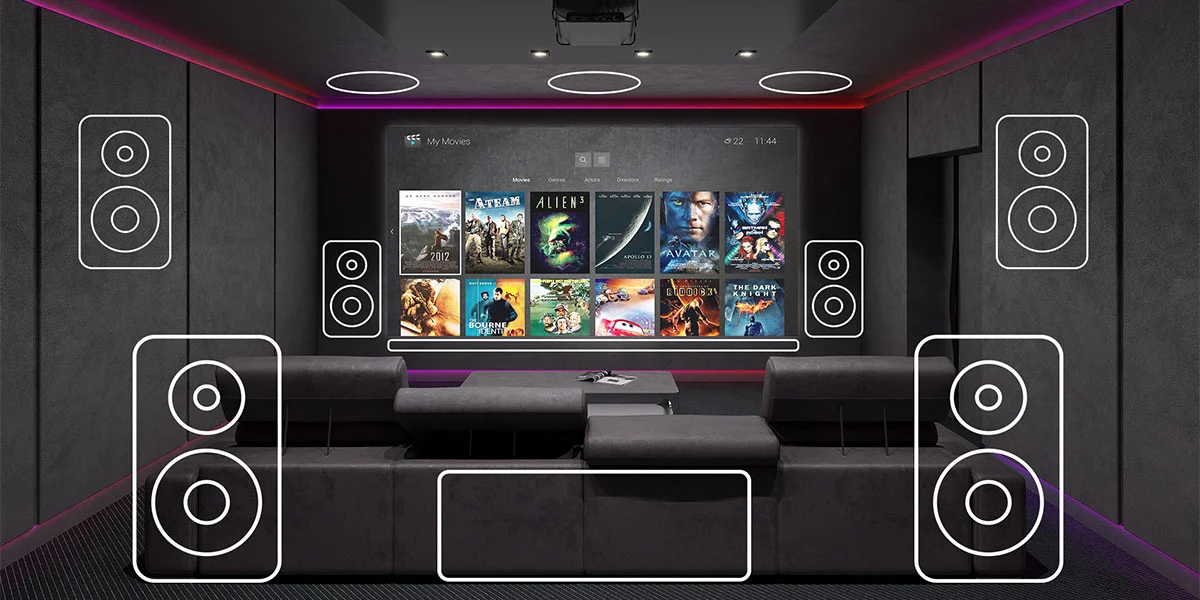
A home theatre system is essentially a combination of audio and visual equipment designed to replicate the experience of watching movies in a cinema. It includes speakers, a display device, a receiver, and sometimes streaming capabilities.
The purpose is to enhance both sound and picture quality, making your entertainment experience more immersive and engaging. While televisions today come with decent built-in speakers, they often fall short in delivering rich, layered audio. This is where a home theatre system steps in.
Understanding how these systems work helps explain why the home theatre price varies so widely. Each component contributes to the overall cost, and better components usually mean better performance.
Understanding the Basics of Home Theatre Pricing
When you first explore the market, you’ll notice that prices can range from a few thousand rupees to several lakhs. This variation is not random—it is based on specific factors such as technology, brand value, and configuration.
The most basic systems focus on improving sound quality without adding complexity. These are usually affordable and suitable for small rooms. On the other hand, premium systems aim to recreate a true cinematic experience with multiple speakers and advanced audio processing.
The home theatre price reflects not just the hardware but also the experience it delivers. A system designed for immersive surround sound will naturally cost more than a simple audio upgrade.
Key Factors That Influence Cost
Audio Configuration and Speaker Count
One of the biggest factors affecting cost is the number of speakers in the system. A 2.1 setup includes two speakers and a subwoofer, while a 5.1 or 7.1 system adds multiple surround speakers.
More speakers create a richer and more immersive sound environment. However, they also increase complexity and cost. This is why the home theatre price rises significantly as you move from basic to advanced configurations.
Sound Technology and Features
Modern systems often include advanced audio technologies such as Dolby Atmos and DTS:X. These features create three-dimensional sound, making you feel like you’re inside the action.
While these technologies enhance the experience, they also add to the cost. Buyers need to decide whether these features are essential or just nice to have.
Brand and Build Quality
Brand reputation plays a major role in pricing. Established brands invest heavily in research and quality control, which reflects in their products.
High-quality materials and durable designs also contribute to a higher home theatre price, but they often ensure better longevity and performance.
Connectivity and Smart Features
Today’s home theatre systems are more than just audio devices. They come with Bluetooth, Wi-Fi, voice control, and app integration.
These features make the system more convenient to use but can slightly increase the overall cost. Choosing the right balance between functionality and budget is key.
Different Types of Home Theatre Systems
Soundbars: Compact and Affordable
Soundbars are one of the most popular choices for modern homes. They are slim, easy to install, and significantly improve TV audio.
For people with limited space or budget, soundbars offer a great starting point. The home theatre price for soundbars is usually on the lower end, making them accessible to a wide audience.
Home Theatre in a Box (HTiB)
HTiB systems come as a complete package, including speakers and a receiver. They are designed for users who want a balanced experience without the hassle of choosing individual components.
These systems fall in the mid-range category and offer good value for money. They are ideal for beginners looking for an upgrade from basic audio setups.
Component-Based Systems
Component systems are designed for enthusiasts who want full control over their setup. You can choose each component individually, from speakers to amplifiers.
While this approach offers the best performance, it also results in a higher home theatre price. It requires careful planning and a larger budget.
Wireless Home Theatre Systems
Wireless systems eliminate the need for extensive wiring, making them easier to install and maintain. They are ideal for modern homes where aesthetics matter.
However, convenience comes at a cost, and these systems are usually priced higher than their wired counterparts.
Comparison Table of Home Theatre Systems
| System Type | Typical Cost (INR) | Performance Level | Ideal Use Case |
|---|---|---|---|
| Soundbars | ₹5,000 – ₹30,000 | Basic to Moderate | Small rooms, casual viewing |
| HTiB Systems | ₹15,000 – ₹60,000 | Moderate | Family entertainment |
| Component Systems | ₹50,000 – ₹2,00,000+ | High | Enthusiasts, large rooms |
| Wireless Systems | ₹25,000 – ₹1,50,000 | Moderate to High | Modern, minimal setups |
This table gives a clearer picture of how the home theatre price varies across different categories and use cases.
The Role of Room Size in Pricing
Your room size directly affects the type of system you should choose. A small room does not require a powerful multi-speaker setup, while a large hall may need a more advanced system.
For compact spaces, a soundbar or 2.1 system is sufficient. Medium-sized rooms benefit from 5.1 systems, which provide a balanced experience.
Larger rooms require more powerful systems with additional speakers, which naturally increases the home theatre price.
Installation and Setup Costs
Many buyers overlook installation costs when budgeting for a home theatre system. Proper speaker placement is crucial for achieving the best sound quality.
Professional installation ensures that each component is positioned correctly. While this adds to the overall cost, it can significantly improve performance.
DIY setups are an option for those who want to save money, but they may require time and technical knowledge.
Balancing Budget and Performance
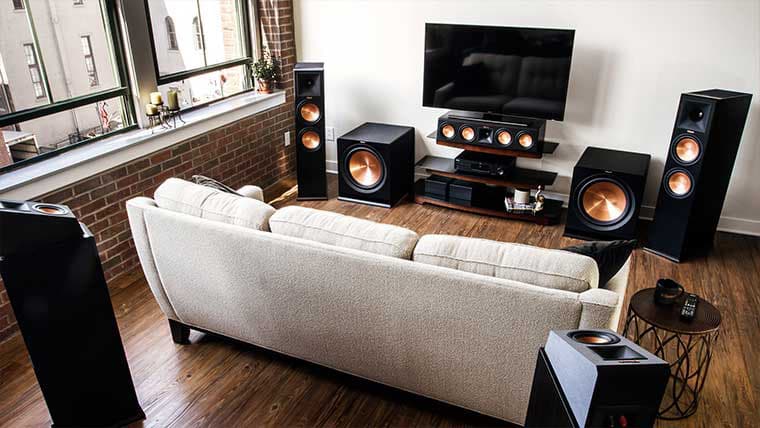
Finding the right balance between cost and performance is essential. Spending more does not always guarantee a better experience if the system is not suited to your needs.
Start by identifying your priorities. If you watch movies frequently, investing in a better audio system makes sense. If your usage is casual, a simpler setup will suffice.
The goal is to get the best possible experience within your budget without unnecessarily increasing the home theatre price.
Long-Term Value and Maintenance
When considering cost, it’s important to think beyond the initial purchase. Maintenance, upgrades, and durability all contribute to the long-term value of your investment.
High-quality systems may cost more upfront but often require fewer repairs and last longer. This can make them more cost-effective in the long run.
Understanding this perspective helps you evaluate the true value behind the home theatre price rather than just focusing on the initial expense.
Common Mistakes Buyers Should Avoid
One of the most common mistakes is choosing a system based solely on price. While budget is important, it should not be the only factor.
Another mistake is ignoring compatibility with existing devices. Not all systems work seamlessly with every TV or media player.
Buyers also tend to underestimate room acoustics, which can affect sound quality. Avoiding these mistakes ensures a better experience and prevents unnecessary spending.
Quick Buying Guide
Things to consider before buying:
- Room size and layout
- Speaker configuration needs
- Connectivity options
- Budget including installation
- Future upgrade possibilities
Frequently Asked Questions (FAQs)
What is the average cost of a good home theatre system?
A decent system typically ranges between ₹15,000 and ₹50,000, depending on features and configuration.
Is it better to buy a soundbar or a full system?
Soundbars are great for simplicity, while full systems provide a more immersive experience.
Do expensive systems always sound better?
Not necessarily. The quality depends on how well the system matches your room and usage.
Can I install a home theatre system myself?
Yes, but professional installation can improve performance significantly.
How long does a home theatre system last?
With proper care, most systems can last 5–10 years or more.
Conclusion: Making a Smart Investment
Choosing the right home theatre system is not just about picking the most expensive option. It’s about understanding your needs, your space, and your budget. The home theatre price should reflect value, not just cost.
By considering factors like configuration, features, and room size, you can make a smart investment that enhances your entertainment experience. Whether you opt for a simple soundbar or a high-end system, the key is to choose wisely.
Take your time, compare options, and focus on what truly matters. A well-chosen home theatre system can transform your everyday viewing into something truly extraordinary.

