
Introduction to Modern Solar Living
The demand for clean and affordable electricity is growing rapidly across the world. Many homeowners are now searching for smarter ways to reduce electricity bills while also contributing to environmental protection. One of the most effective solutions in this direction is a solar plant for home.
In simple terms, this system allows households to generate their own electricity directly from sunlight. Instead of relying fully on traditional grid power, homes can produce clean energy on their rooftops using solar panels. This shift is not only economical but also environmentally responsible, making it a preferred choice for modern families.
The growing popularity of solar energy is driven by rising energy costs, frequent power cuts in some regions, and increasing awareness about climate change. With proper installation, homeowners can enjoy long-term energy independence and stable electricity costs for decades.
Understanding Residential Solar Energy Systems
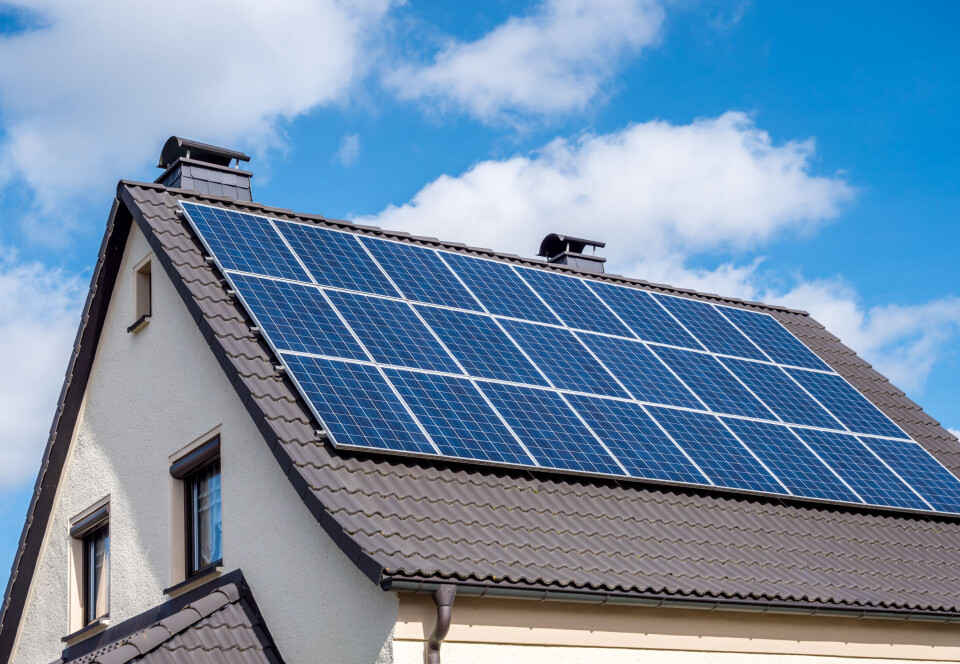
A residential solar setup is a complete energy solution designed to convert sunlight into usable electricity for homes. It includes solar panels, an inverter, wiring, and sometimes battery storage for backup power.
A solar plant for home works by capturing sunlight through photovoltaic cells. These cells generate direct current (DC) electricity, which is then converted into alternating current (AC) by an inverter so it can power household appliances.
The system operates silently and requires very little maintenance, making it ideal for both urban and rural households. Once installed, it can continuously generate electricity for 20–25 years, depending on quality and care.
Why Solar Energy is Becoming Essential
The shift toward solar energy is not just a trend—it is a necessity driven by multiple real-world challenges. Electricity prices continue to rise every year, putting pressure on household budgets. At the same time, fossil fuel-based energy sources are harming the environment.
A solar plant for home offers a practical solution to both problems. It reduces dependence on utility companies while also lowering carbon emissions. This combination of financial savings and environmental benefits is encouraging more homeowners to adopt solar technology.
Government incentives and subsidies have further accelerated adoption, making solar installation more affordable than ever before. In many cases, homeowners recover their investment within just a few years.
Key Benefits of Solar Power for Households
The advantages of installing solar energy systems extend beyond just saving money. They improve lifestyle quality and provide long-term security.
One of the biggest benefits is consistent reduction in electricity bills. Once installed, the system generates free energy from sunlight, which significantly lowers monthly expenses. Over time, this leads to substantial savings.
Another major advantage is energy independence. Homes are no longer fully dependent on external electricity suppliers. Even during peak demand or power shortages, solar systems can help maintain stability.
Additionally, using renewable energy helps reduce environmental damage. It minimizes greenhouse gas emissions and supports a cleaner future for coming generations.
How Solar Energy Transforms Daily Life
The impact of solar energy goes beyond technical benefits. It changes how households consume and think about electricity.
Morning sunlight becomes a source of energy production, powering appliances throughout the day. Families can run fans, lights, refrigerators, and even air conditioners using clean energy.
Over time, this leads to a more conscious and efficient lifestyle where electricity is used more responsibly. Many users report a noticeable change in energy habits after installing a solar plant for home.
Types of Solar Systems for Homes
Different types of solar systems are available depending on usage requirements and location conditions.
On-grid systems are connected directly to the electricity grid. They allow excess power to be sent back, often providing credits or reduced bills. These are commonly used in urban areas.
Off-grid systems operate independently and use batteries to store energy. They are ideal for remote areas where electricity supply is unreliable.
Hybrid systems combine both features, offering grid connectivity along with backup battery storage. This makes them highly flexible and reliable for modern households.
Cost Structure and Financial Breakdown
Installing a solar system requires an upfront investment, but it pays off in the long run through savings on electricity bills.
Here is a simple breakdown of typical installation costs and benefits:
| System Size | Approx Cost (INR) | Monthly Savings | Payback Period |
|---|---|---|---|
| 1 kW | ₹60,000–₹80,000 | ₹800–₹1,200 | 4–5 years |
| 3 kW | ₹1.5–2.2 lakh | ₹2,500–₹4,000 | 3–5 years |
| 5 kW | ₹2.5–3.5 lakh | ₹4,500–₹7,000 | 3–4 years |
| 10 kW | ₹5–7 lakh | ₹10,000+ | 3–5 years |
The cost of a solar plant for home depends on multiple factors such as roof size, panel efficiency, and installation quality. However, long-term savings often outweigh initial expenses.
Installation Journey and Technical Setup

The installation process is carefully planned to ensure maximum efficiency and safety.
It begins with a site survey where experts evaluate roof space, sunlight exposure, and household energy consumption. Based on this data, a customized system is designed.
Next comes panel installation, where solar panels are mounted on rooftops using strong support structures. These structures are designed to withstand wind and weather conditions.
After installation, electrical connections are set up. The inverter plays a key role in converting electricity into usable form for home appliances.
Finally, the system is tested and activated. Once running, it begins generating clean energy immediately.
A properly installed solar plant for home can operate smoothly for decades with minimal issues.
Maintenance and Long-Term Care
Solar systems are known for their low maintenance requirements. However, regular care helps maintain efficiency and performance over time.
Dust accumulation on panels can reduce energy production, so occasional cleaning is recommended. In most regions, natural rain also helps keep panels clean.
Wiring and connections should be checked periodically to ensure safety and stability. Monitoring system performance through apps or devices helps detect any drop in efficiency early.
With basic care, the system continues to function at high performance levels for many years.
Environmental Impact and Sustainability
Solar energy plays a major role in protecting the environment. By replacing fossil fuel-based electricity, it reduces harmful emissions and supports cleaner air quality.
Each unit of solar energy produced reduces carbon dioxide emissions significantly. This helps in combating global warming and climate change.
Widespread adoption of renewable systems can lead to a major reduction in pollution levels. Installing a solar plant for home is therefore not just a financial decision but also an environmental responsibility.
Energy Efficiency and Smart Usage Tips
Maximizing solar efficiency requires smart usage habits. Using high-energy appliances during daytime hours ensures better utilization of generated power.
Switching to energy-efficient appliances further improves savings. Regular monitoring helps track usage patterns and optimize consumption.
Small behavioral changes can significantly increase overall system efficiency and reduce dependency on backup power sources.
Common Challenges and Practical Solutions
Although solar energy is highly efficient, some challenges may arise during usage.
Weather dependency is one such factor, as cloudy days can reduce energy generation. However, battery storage or grid connectivity solves this issue effectively.
Initial installation cost can also be a concern, but government subsidies and long-term savings make it manageable.
Space limitations may affect installation in some homes, but modern high-efficiency panels require less roof area than older models.
Future of Home Energy Systems
The future of residential energy is clearly moving toward renewable sources. Advances in battery storage, smart grids, and efficient panel technology are making solar systems more powerful and affordable.
In the coming years, more households are expected to become energy self-sufficient. This shift will reduce pressure on national grids and promote cleaner energy consumption worldwide.
Frequently Asked Questions (FAQs)
1. How long does a solar system last?
Most systems last between 20 to 25 years with proper maintenance.
2. Can it power heavy appliances like air conditioners?
Yes, with the right system size, it can run ACs and other heavy appliances.
3. What happens during power cuts?
If batteries are included, backup power is available even during outages.
4. Is installation complicated?
No, professionals handle the entire installation process safely and efficiently.
5. How much roof space is needed?
On average, 100 square feet is required per 1 kW of capacity.
Conclusion: A Smarter Step Toward Energy Independence
Adopting solar energy is one of the most impactful decisions a homeowner can make today. It brings together financial savings, environmental protection, and long-term energy stability.
With rising electricity costs and growing environmental concerns, shifting toward renewable energy is no longer optional—it is essential. A well-designed system ensures consistent performance, low maintenance, and long-lasting benefits.
Choosing a solar plant for home empowers households to take control of their energy future while contributing to a cleaner and more sustainable planet. The sooner the transition is made, the greater the long-term rewards will be for both families and the environment.
Read More:-Indoor Green Elegance That Transforms Modern Living Spaces Naturally

