
Introduction: A Natural Touch That Changes Everything
Bringing nature indoors is no longer just a design trend—it has become a lifestyle choice. People are increasingly looking for ways to create calmer, healthier, and more refreshing home environments without complicated maintenance routines. One of the simplest yet most powerful ways to achieve this is through indoor greenery.
A bamboo plant for home instantly stands out because of its elegant structure and soothing green presence. Unlike many decorative elements that only serve visual appeal, this plant also adds emotional and environmental balance to your living space. Its presence is subtle, yet its impact is deeply noticeable in everyday life.
What makes it even more interesting is how effortlessly it adapts to different interiors. Whether your home is modern, traditional, minimalist, or eclectic, bamboo blends in without effort and enhances the overall atmosphere.
In this article, we will explore everything from care techniques to symbolic meanings, styling ideas, benefits, and common mistakes people make while growing it indoors.
Understanding the Natural Identity of Indoor Bamboo
Why this plant feels so calming indoors
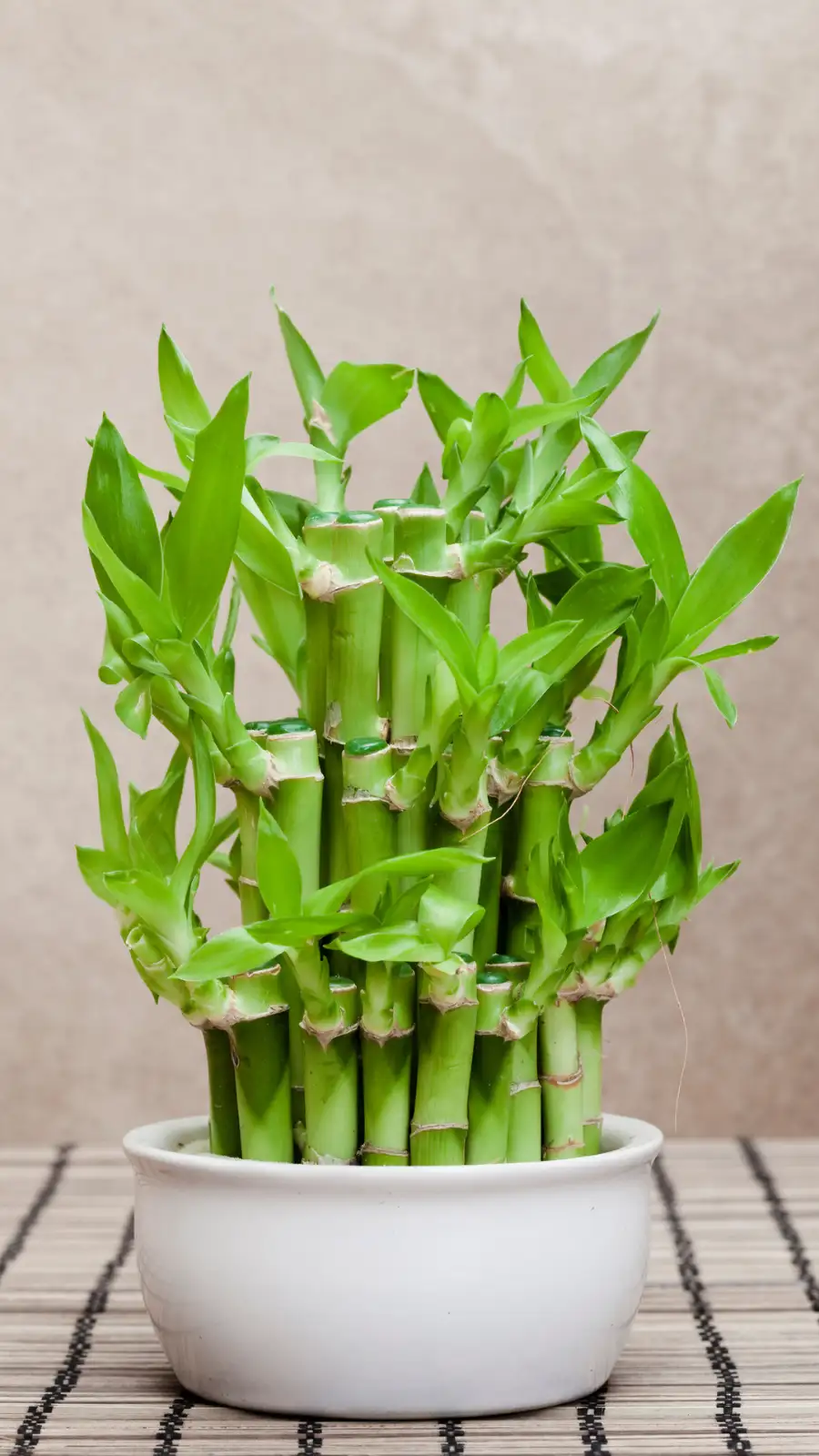
The beauty of bamboo lies in its simplicity. It doesn’t have overly complex leaves or dramatic flowers, yet it creates a strong visual and emotional impact. Its straight stems represent structure, discipline, and calmness, which is why many people feel mentally relaxed just by looking at it.
A bamboo plant for home also fits well into compact living spaces. Unlike large indoor plants that require floor space, bamboo can grow in small glass containers or pots, making it ideal for apartments and office desks.
Another interesting aspect is how it interacts with light. When placed near indirect sunlight, its green stems reflect a soft glow that enhances the peacefulness of the room.
How it adapts to different environments
One of the strongest qualities of bamboo is adaptability. It can grow in both water and soil environments without losing its charm. This flexibility makes it a favorite for beginners who may not have prior gardening experience.
It does not demand frequent attention, yet it continues to grow steadily over time. This makes it a perfect companion for busy individuals who still want a touch of nature in their homes.
The bamboo plant for home is also known for maintaining its appearance throughout the year, unlike seasonal plants that change or fade. This consistency adds long-term visual value to interiors.
Care and Maintenance for Long-Term Growth
Simple habits that keep it healthy
Caring for bamboo is surprisingly easy, but consistency plays a key role. It does not require complicated gardening tools or frequent pruning sessions. Instead, a few mindful habits are enough.
Regular water replacement is one of the most important steps. Clean water ensures that the roots remain healthy and free from bacterial buildup. If grown in soil, ensuring proper drainage becomes essential to avoid root damage.
A bamboo plant for home thrives when it is kept in a stable environment without sudden temperature changes. Avoid placing it near air conditioners or heaters, as extreme air can affect its growth.
Light, water, and positioning balance
Lighting is another crucial factor. Bamboo prefers indirect sunlight rather than harsh exposure. Direct sunlight can dry out the leaves and reduce their vibrant green color.
Water quality also matters. Filtered or resting water is often better than direct tap water because it reduces chemical exposure.
Positioning is equally important. Keeping it near windows with filtered light ensures balanced growth. Many people place it in living rooms or work desks to enjoy both aesthetic and emotional benefits.
Growth support practices
Even though bamboo grows easily, occasional support can improve its strength. Cleaning the container, trimming yellow leaves, and rotating the plant ensures even growth.
Over time, it becomes more stable and visually fuller. The more consistent your care routine, the more beautiful the plant becomes.
Benefits That Go Beyond Decoration
Emotional and environmental impact
Indoor plants are known for improving mood, and bamboo is no exception. Its presence creates a sense of calmness that can reduce stress and mental fatigue.
A bamboo plant for home is often placed in workspaces because it helps improve focus and reduces distractions. The natural green color is soothing to the eyes, especially during long screen exposure.
It also contributes to better indoor freshness, making rooms feel more breathable and lively.
Psychological comfort and lifestyle improvement
Living with greenery can subtly change daily routines. People often feel more relaxed and grounded when natural elements are present in their environment.
Bamboo plays a role in creating this balance. Its minimalistic appearance does not overwhelm the space, yet it adds a refreshing presence that improves emotional comfort.
Over time, this can contribute to better productivity, improved mood stability, and a more peaceful home atmosphere.
Environmental contribution
Although small in size, bamboo contributes to improving indoor air quality. It helps maintain a natural balance in enclosed environments by adding humidity and freshness.
Even a single plant can make a noticeable difference in how a room feels.
Symbolism and Energy Flow in Living Spaces
Cultural and traditional importance
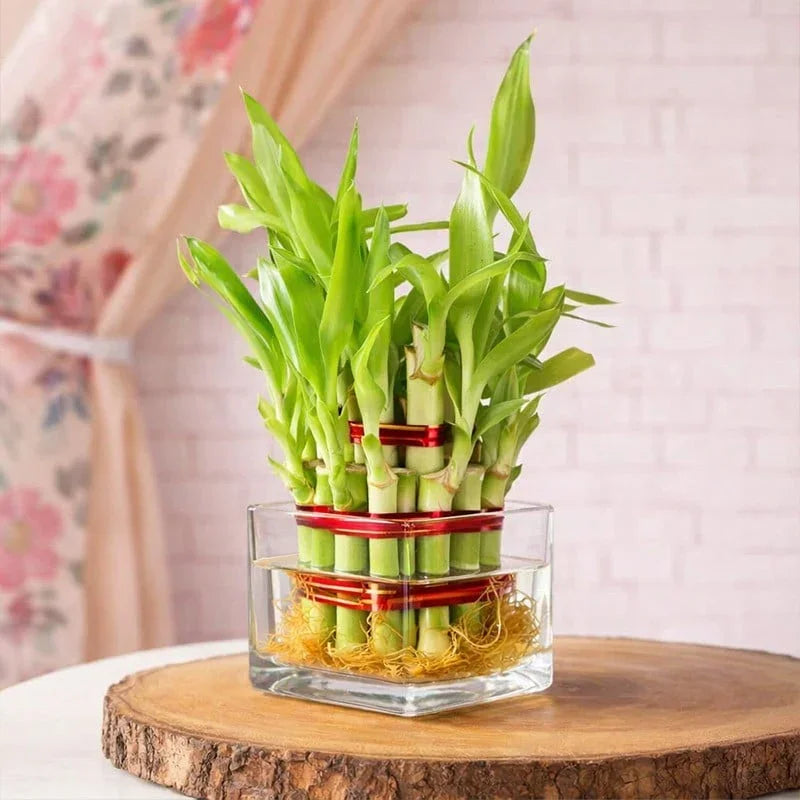
Bamboo holds strong symbolic meaning in many cultures. It represents strength, flexibility, and growth. Its ability to bend without breaking is often used as a metaphor for resilience in life.
In many traditions, placing greenery indoors is believed to attract positivity and harmony. This is why bamboo is commonly seen in homes and offices where peaceful energy is desired.
A bamboo plant for home is often chosen not just for its beauty but also for its symbolic representation of balance and prosperity.
Energy alignment in interior spaces
In interior design practices, plants are often used to balance energy flow within a room. Bamboo is especially valued because of its upright structure and calming presence.
It is often placed in entryways, living rooms, and workspaces to create a welcoming and stable environment.
Even without focusing on traditional beliefs, many people naturally feel more relaxed in spaces where bamboo is present.
Creative Decoration and Styling Ideas
How to make it a visual highlight
Bamboo can be styled in many creative ways depending on your interior theme. Glass containers filled with stones create a modern aesthetic, while ceramic pots give a more traditional look.
Lighting also plays an important role. Soft LED lighting near bamboo enhances its natural green tone and creates a calming evening ambiance.
A bamboo plant for home can also be combined with other small decorative elements like pebbles, sand layers, or decorative jars to enhance its visual appeal.
Table: Styling Comparison for Indoor Bamboo
| Style Type | Container Choice | Interior Match | Visual Effect |
|---|---|---|---|
| Modern Minimal | Glass vase | Apartments, offices | Clean and elegant |
| Traditional | Ceramic pot | Classic homes | Warm and earthy |
| Natural Rustic | Clay pot | Eco interiors | Organic and grounded |
| Creative Decor | Decorative jar | Artistic spaces | Unique and stylish |
Placement ideas for maximum impact
Placing bamboo near natural light sources enhances its appearance significantly. Living room corners, study tables, and entrance areas are the most popular choices.
Avoid cluttered areas where its presence may get visually lost. Bamboo works best when it has space around it to stand out.
Common Issues and Practical Solutions
Yellowing leaves and slow growth
One common issue is leaf discoloration. This usually happens due to poor water quality or excessive sunlight exposure.
Changing water regularly and moving the plant to a shaded area usually resolves the issue.
A bamboo plant for home may also slow down in growth if it lacks nutrients. In such cases, mild natural fertilizers can help restore its vitality.
Root health and maintenance errors
Root rot is another problem that can occur if water is not changed frequently. Cleaning the container and ensuring fresh water helps prevent this issue.
Over time, proper care ensures that the plant remains stable and visually appealing.
Propagation and Expansion Techniques
Growing new plants easily
Bamboo is one of the easiest indoor plants to propagate. A healthy stem can be cut and placed in water until new roots develop.
This makes it an excellent choice for gifting or expanding indoor greenery collections.
Once roots are established, growth becomes steady and visually noticeable over time.
FAQs
Is bamboo difficult to grow indoors?
No, it is one of the easiest indoor plants to maintain with minimal care.
How often should water be changed?
Once every 7–10 days is ideal for healthy growth.
Can it grow without sunlight?
It can survive in low light, but indirect sunlight helps it grow better.
Is it suitable for offices?
Yes, it is commonly used in offices for its calming visual effect.
Does it require frequent trimming?
No, only occasional removal of yellow leaves is needed.
Conclusion: A Simple Plant with a Powerful Impact
Bringing greenery into your living space is one of the simplest ways to transform its atmosphere. Among all indoor plants, bamboo stands out for its elegance, adaptability, and calming presence.
A bamboo plant for home is not just a decorative element—it is a long-term companion that enhances mood, improves visual harmony, and brings natural balance into everyday life.
With minimal care, thoughtful placement, and consistent attention, it can thrive for years while continuously improving your living environment. If you are looking for something simple, meaningful, and timeless, bamboo remains one of the best choices for any modern home.
Read More:-Complete Home Guide to Sofa Cleaning for Fresh Living Spaces Now!!

