
Introduction: Why Sofa Care Matters More Than You Think
A sofa is more than just furniture—it is the heart of your living room. It is where families gather, guests sit, and countless everyday moments happen. Over time, dust, food crumbs, sweat, pet hair, and stains settle deep into the fabric. This is why learning how to clean sofa at home becomes essential for every household.
A well-maintained sofa not only enhances the beauty of your home but also improves hygiene and indoor air quality. Many people underestimate how quickly dirt builds up in upholstery, especially in warm and humid climates. Even if a sofa looks clean on the surface, hidden dust and bacteria can still accumulate underneath.
Regular cleaning saves money in the long run because it extends the lifespan of your furniture. Instead of replacing expensive sofas every few years, proper care keeps them fresh and usable for a long time. More importantly, it creates a healthier living environment for your family.
Understanding the Importance of Sofa Hygiene in Daily Life
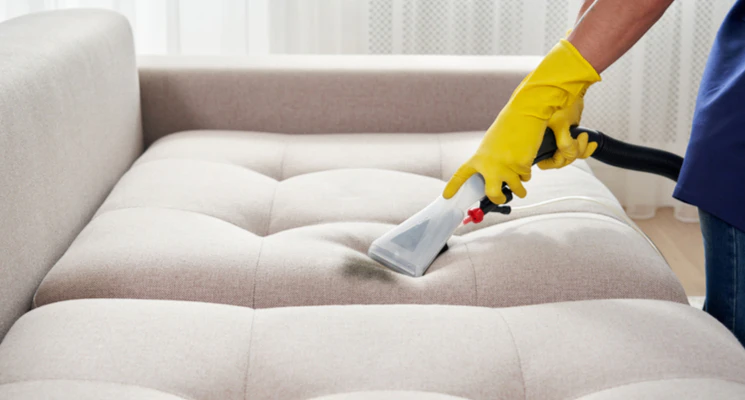
Maintaining upholstery cleanliness is not just about appearance; it directly affects your health and comfort. Sofas often trap allergens like dust mites, pollen, and pet dander. These microscopic particles can trigger allergies and breathing issues if not cleaned regularly.
When you understand how to clean sofa at home, you also understand how to reduce hidden health risks inside your living space. Clean sofas contribute to better sleep quality (if you nap on them), improved indoor freshness, and a more welcoming atmosphere for guests.
Another overlooked benefit is mental comfort. A clean and organized living room helps reduce stress and improves overall mood. Walking into a fresh-smelling space instantly makes the home feel more peaceful and relaxing.
Preparing Your Sofa for Effective Cleaning
Before starting any cleaning process, preparation plays a major role in achieving the best results. Proper preparation ensures that dirt is removed efficiently without damaging the fabric.
When learning how to clean sofa at home, the first step is always to remove cushions, loose covers, and any decorative items. This helps expose hidden corners where dust usually collects. Vacuuming the entire surface is also important because it removes loose dirt before any wet or dry cleaning begins.
It is also helpful to identify the type of fabric. Cotton, leather, velvet, and synthetic materials all require different care methods. Testing a small hidden area before applying any solution ensures that the fabric will not discolor or get damaged.
Gathering basic cleaning supplies like mild detergent, microfiber cloths, a soft brush, and a spray bottle will make the process smoother and more effective.
Dry Cleaning Approach for Everyday Maintenance
Dry cleaning is one of the safest and most convenient methods for regular sofa maintenance. It does not involve excessive moisture, making it suitable for delicate fabrics.
If you want to understand how to clean sofa at home, dry cleaning is usually the starting point. It includes vacuuming, brushing, and using natural absorbents like baking soda to remove odors and surface dirt.
Baking soda is particularly effective because it absorbs moisture and neutralizes unpleasant smells. Sprinkling it evenly across the sofa and letting it sit for 20–30 minutes can significantly refresh the fabric.
Soft brushing also helps loosen dirt trapped in fibers, making vacuuming more effective afterward. This method is ideal for weekly or bi-weekly maintenance.
Wet Cleaning Techniques for Deep Fabric Refresh
Wet cleaning becomes necessary when stains or deep dirt buildup are present. However, it must be done carefully to avoid soaking the fabric.
Understanding how to clean sofa at home includes knowing how to use mild soap solutions mixed with water. A microfiber cloth dampened with this solution can gently remove stains without damaging the fabric.
The key is to avoid excessive water. Too much moisture can lead to mold growth and unpleasant odors. Always blot instead of scrubbing, as scrubbing can spread stains further.
After cleaning, drying is extremely important. Using fans or keeping windows open helps speed up the drying process and prevents dampness from settling into the cushions.
Stain Removal Strategies for Common Household Spills
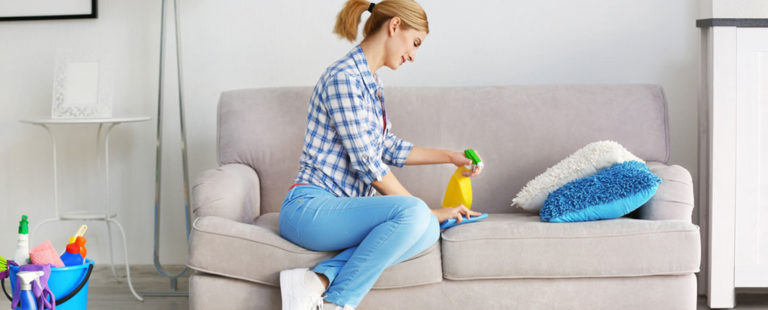
Stains are inevitable in any household, especially in living rooms where food and drinks are often consumed. Quick action is the key to preventing permanent marks.
When learning how to clean sofa at home, stain removal is one of the most important skills. Different stains require different approaches. For example, coffee stains respond well to vinegar solutions, while oil stains may require absorbent powders like cornstarch or baking soda.
Blotting is always better than rubbing because it prevents the stain from spreading deeper into the fabric. Acting immediately after a spill increases the chances of complete removal.
Older stains may require repeated treatment, but patience and gentle handling usually restore the sofa’s appearance effectively.
Comparison of Sofa Cleaning Methods
| Cleaning Method | Best Use Case | Advantages | Limitations |
|---|---|---|---|
| Dry Cleaning | Regular maintenance | Quick, safe, no drying time | Not effective for deep stains |
| Wet Cleaning | Stain removal | Deep cleaning power | Requires drying time |
| Steam Cleaning | Germ removal | Sanitizes deeply | Needs equipment |
| Professional Cleaning | Luxury sofas | Expert results | Expensive |
Each method has its own purpose, and combining them based on need gives the best results.
Deep Cleaning Routine for Long-Term Sofa Care
Deep cleaning is necessary every few months depending on usage. It ensures that hidden dirt, allergens, and bacteria are completely removed.
When people search for how to clean sofa at home, deep cleaning is often the most detailed part of the process. It includes vacuuming, stain treatment, odor removal, and full fabric refreshment.
Steam cleaning is sometimes used during deep cleaning because it penetrates fabric layers and kills bacteria effectively. However, it must be used carefully depending on fabric type.
After deep cleaning, allowing the sofa to air dry completely is essential. This ensures that no moisture remains trapped inside cushions.
Odor Control and Fabric Freshening Techniques
Even if a sofa looks clean, it may still hold unpleasant odors from food, pets, or moisture. Baking soda is one of the most effective natural odor removers.
Sprinkling it evenly across the surface and vacuuming it later can refresh the entire sofa. Essential oils can also be lightly sprayed for a pleasant fragrance.
Good ventilation plays a major role in maintaining freshness. Keeping windows open regularly helps prevent odor buildup.
Maintenance Habits for Long-Lasting Sofas
Regular care prevents major cleaning efforts later. Weekly vacuuming and rotating cushions help maintain shape and cleanliness.
Avoiding eating on the sofa can significantly reduce the risk of stains and crumbs. Using washable covers is another practical solution for protection.
Sunlight exposure should be controlled because too much direct sunlight can fade fabric colors over time.
Common Mistakes to Avoid During Sofa Cleaning
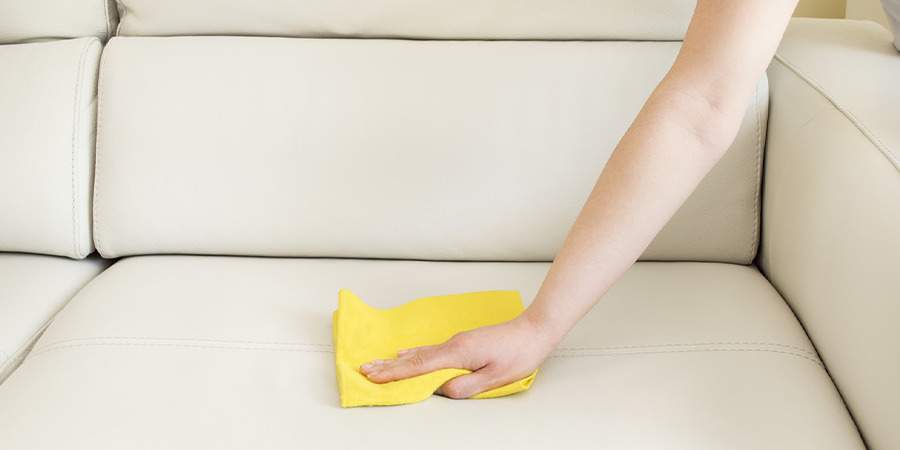
One of the biggest mistakes people make is using harsh chemicals. These can damage fabric fibers and cause discoloration.
Another mistake is over-wetting the sofa. Excess water leads to mold and unpleasant smells that are difficult to remove.
Neglecting regular cleaning is also a major issue. Dirt buildup becomes harder to remove if ignored for long periods.
Advanced Sofa Care Tips for Better Results
Understanding fabric behavior is key to long-term maintenance. Each material reacts differently to cleaning agents, so customized care is important.
Protective sprays can help prevent stains from settling deeply into fabric fibers. These sprays create a barrier that makes future cleaning easier.
Consistency is more important than intensity. Light, regular cleaning is more effective than rare deep cleaning sessions.
FAQs
Q1: How often should sofas be cleaned?
Light cleaning should be done weekly, with deep cleaning every 3–6 months.
Q2: Can household products damage sofas?
Yes, harsh cleaners can damage fabric. Always use mild solutions.
Q3: Is vacuuming enough for sofa maintenance?
Vacuuming helps, but deeper cleaning is still needed periodically.
Q4: What is the safest stain remover?
A mix of mild soap and water is generally safe for most fabrics.
Q5: Can leather sofas be cleaned the same way?
No, leather requires special cleaners and conditioning treatments.
Conclusion: Building a Simple and Effective Sofa Care Routine
In conclusion, learning how to clean sofa at home is not just about removing visible dirt but also about maintaining hygiene, comfort, and long-term furniture health. A clean sofa enhances your living space, improves air quality, and creates a more welcoming environment for family and guests.
By combining regular maintenance, quick stain treatment, and occasional deep cleaning, you can easily keep your sofa looking fresh and new for years. The key is consistency and using the right method for the right situation.
When you adopt these habits, sofa care becomes simple, affordable, and highly effective, making your home healthier and more beautiful every day.

