
Introduction
A sofa is more than just a seating arrangement—it is the heart of your living room, where family conversations happen, guests are welcomed, and relaxation takes place after a long day. Choosing the right one is a mix of comfort, design sense, and smart financial planning. Many people focus only on appearance, but understanding how pricing works behind the scenes helps you make a better long-term decision.
In today’s modern furniture market, choices are endless. From compact apartment sofas to luxurious designer sets, everything depends on materials, craftsmanship, and lifestyle needs. This guide will help you explore all important aspects in detail so you can confidently choose the right sofa without confusion.
Understanding the Real Value Behind Sofa Costs
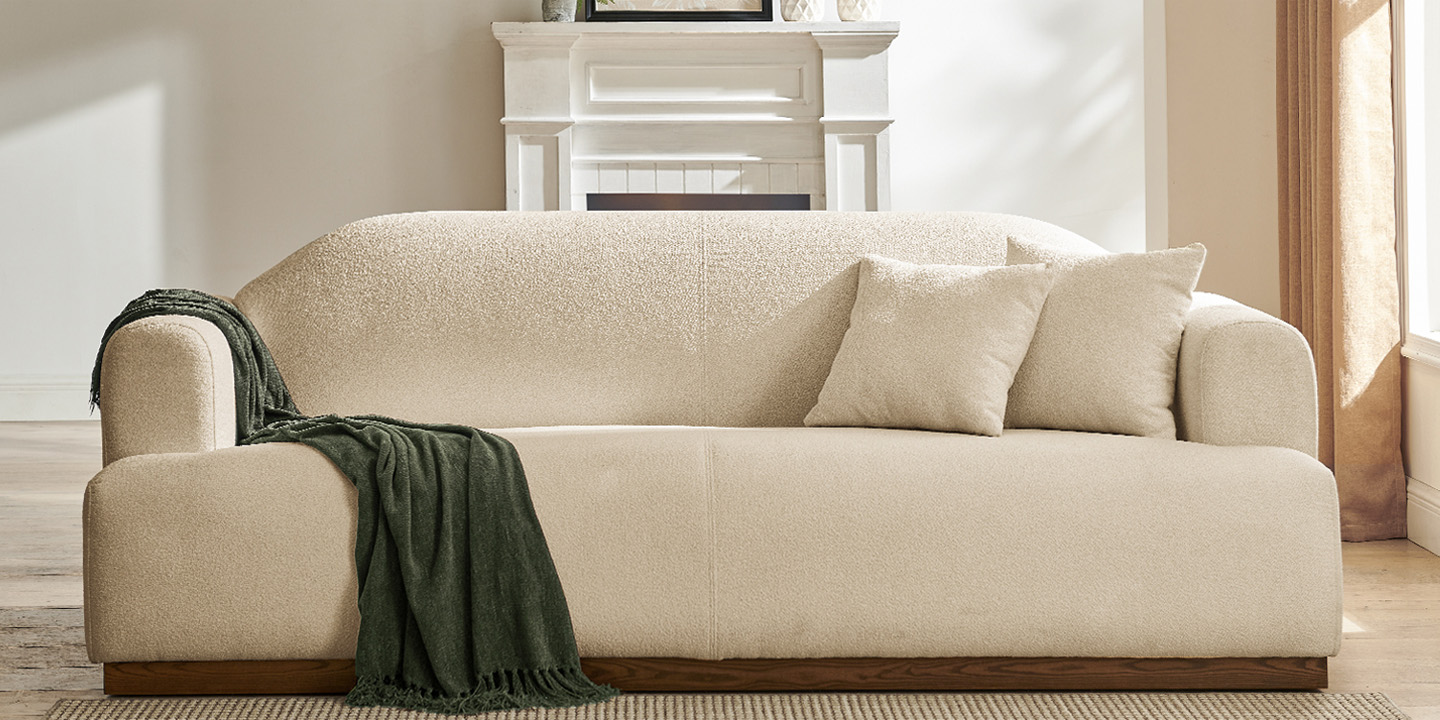
The price of a sofa is never random. It reflects a combination of raw materials, labor, design effort, and durability. When you walk into a showroom or browse online listings, you may notice similar-looking sofas with very different price tags.
One key reason is that the internal structure matters more than the outer design. A sofa with a solid hardwood frame will always cost more than one made with engineered wood, even if both look identical on the outside. Upholstery also plays a major role, as premium fabrics and leather significantly increase overall value.
At the same time, brand reputation influences buyer trust. Well-known manufacturers often charge higher prices because they invest in quality testing, long warranties, and consistent craftsmanship.
In many cases, the final sofa set price also depends on customization requests such as size adjustments, fabric selection, or added features like storage or reclining systems. These modifications increase labor and production time, directly affecting cost.
Key Elements That Influence Modern Sofa Selection
When selecting a sofa, it is important to understand the hidden elements that shape both comfort and pricing. These factors go beyond appearance and directly impact long-term satisfaction.
The first and most important element is the frame. Hardwood frames provide strength and durability for many years, while lighter materials may reduce cost but compromise longevity. Cushion quality is another essential factor; high-density foam ensures better support and retains shape longer than low-quality fillings.
Design complexity also matters. Minimalist sofas are easier to manufacture, while detailed traditional designs require skilled craftsmanship. Upholstery choices such as velvet, linen, or leather further influence both comfort and maintenance needs.
Lifestyle also plays a role. A family with children or pets may prefer durable and stain-resistant materials, while a single professional may prioritize style and compact design. Every decision indirectly affects the final sofa set price in the market.
How Sofa Styles Shape Budget and Home Aesthetics
Sofa styles are not just about visual appeal—they define how your space functions. Different designs serve different needs, and each comes with its own pricing structure.
Sectional sofas are popular in larger homes because they offer flexible seating arrangements. Recliner sofas are preferred by those who value comfort and relaxation features. Compact loveseats fit well in smaller apartments, while sofa-cum-beds provide dual functionality for multi-purpose rooms.
Each of these styles is designed with a different purpose in mind, and therefore production complexity varies. A simple two-seater is far more affordable than a modular sectional that can be rearranged into multiple configurations.
Design trends also influence demand, which can indirectly affect market pricing. As styles evolve, older designs may become more affordable while trending designs see a temporary increase in demand and cost.
Material Comparison and Real Market Behavior
To understand how materials influence value, it helps to compare their real-world performance. Below is a practical overview that shows how different materials behave in terms of durability, comfort, and maintenance.
| Material Type | Durability | Comfort Level | Maintenance Effort | Overall Value |
|---|---|---|---|---|
| Solid Hardwood | Very High | Medium | Low | Excellent |
| Engineered Wood | Medium | Medium | Medium | Good |
| Leather Upholstery | High | High | Medium | Premium |
| Fabric Upholstery | Medium | High | High | Balanced |
| Velvet Finish | Medium | Very High | High | Luxury |
This comparison shows that no single material is perfect for every user. Instead, the right choice depends on usage patterns, climate conditions, and maintenance willingness. When buyers understand these differences clearly, they can better evaluate long-term investment value rather than focusing only on initial cost.
In practical terms, the final sofa set price is heavily influenced by the combination of frame and upholstery selected during purchase.
Trends That Are Changing Living Room Design Choices
Interior design trends evolve constantly, and they have a strong influence on how people choose sofas today. Minimalist interiors are becoming increasingly popular due to their clean look and space-saving advantages. These designs usually focus on neutral colors and simple structures, making them easier to produce and more affordable.
On the other hand, luxury-inspired interiors still demand rich textures, detailed woodwork, and premium fabrics. These designs take more time and craftsmanship, which increases production cost and market value.
Modular seating systems are another growing trend. These sofas allow users to rearrange sections based on space requirements, making them highly flexible. However, the engineering behind modular systems adds complexity to production.
Smart homes are also influencing furniture design. Some modern sofas now include built-in charging ports, storage compartments, and even adjustable lighting features. These innovations add convenience but also raise pricing due to advanced manufacturing requirements.
All these evolving trends continuously reshape the market and influence the overall sofa set price structure in both online and offline stores.
Material Cost Impact Explained with Real Understanding
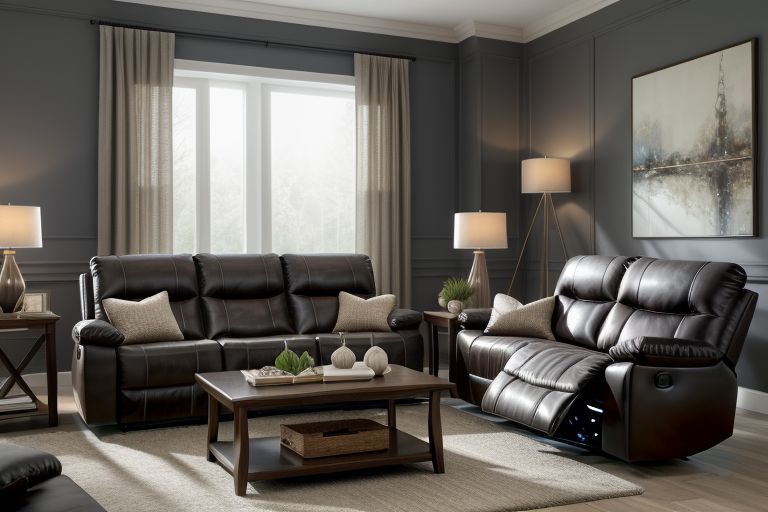
To better understand pricing behavior, it is important to see how material combinations affect overall cost. For example, a hardwood frame with leather upholstery will always be positioned in a higher price category compared to engineered wood with fabric covering.
Manufacturing location also plays a role. Sofas produced in large industrial hubs benefit from economies of scale, reducing cost. In contrast, handcrafted pieces made by skilled artisans require more time and effort, which increases their final pricing.
Transportation, packaging, and branding also contribute to final retail prices. Even two identical sofas can have different costs depending on the company selling them.
This is why comparing only appearance is never enough. The real value lies in structure, durability, and comfort over time rather than just visual design.
Smart Buying Approach for Better Decision Making
Choosing a sofa requires careful thought and planning rather than impulse buying. One of the most important steps is measuring your living space accurately. Many buyers end up with furniture that is either too large or too small for their room.
Comfort testing is equally important. Sitting on a sofa for a few minutes can reveal more than any description online. Cushion firmness, back support, and seating depth all contribute to long-term satisfaction.
Another important consideration is comparing different sellers. Prices may vary significantly between online platforms and physical stores. Seasonal discounts and festive offers can also help reduce overall expenses.
When buyers evaluate options carefully, they gain better control over their final sofa set price decision and avoid unnecessary overspending.
Hidden Expenses That Most Buyers Ignore
Many people assume the listed price is the final cost, but additional expenses often increase the total budget. Delivery charges, installation fees, and customization costs can add a noticeable amount to the final bill.
Some premium models also require special maintenance kits or cleaning services, especially for leather or delicate fabrics. These long-term costs are often overlooked during purchase decisions.
Warranty extensions and protection plans may also be offered at extra cost. While optional, they can be useful for expensive furniture investments.
Understanding these hidden expenses helps buyers prepare realistic budgets and avoid financial surprises later.
Custom vs Ready-Made Sofa Decisions
Custom sofas offer full control over design, fabric, size, and color. They are ideal for people who want personalized interiors that match their exact vision. However, customization requires more time and labor, making them more expensive compared to standard models.
Ready-made sofas, on the other hand, are quicker to purchase and generally more affordable. They come in standard sizes and designs that fit most homes. While they may lack personalization, they are practical and widely available.
Choosing between these two options depends on urgency, budget, and design preference. This decision also plays a direct role in determining the final sofa set price outcome for buyers.
Maintenance and Long-Term Value Perspective
A sofa is a long-term investment, and proper maintenance ensures it remains in good condition for years. Regular cleaning prevents dust buildup, while using protective covers helps preserve fabric quality.
Avoiding direct sunlight prevents fading, especially for fabric and leather sofas. Rotating cushions also helps maintain shape and comfort over time.
Higher-quality sofas usually require less maintenance and last longer, making them more cost-effective in the long run despite higher initial investment.
Best approach for sofa selection: Focus on frame durability, cushion comfort, and long-term usability rather than short-term design trends for better value over time.
FAQs
What is the ideal sofa size for a small living room?
A compact two-seater or loveseat works best for smaller spaces.
Which material is easiest to maintain?
Fabric blends with stain-resistant coating are generally easiest to maintain.
How often should a sofa be replaced?
Most sofas last between 7 to 12 years depending on usage and care.
Is online furniture buying safe?
Yes, but always check reviews, return policies, and seller credibility.
Do accessories increase overall cost?
Yes, added features like storage or recliners increase total pricing.
Conclusion: Making a Confident Furniture Choice
Choosing the right sofa is about balancing comfort, durability, design, and budget. Instead of focusing only on appearance, understanding materials, craftsmanship, and long-term usability leads to better decisions.
When buyers carefully compare options and consider hidden factors, they gain more control over value and satisfaction. Ultimately, making informed decisions ensures that your investment enhances both comfort and lifestyle for years to come.
Read More:-Stylish Living Room Ideas for Modern Sofa Set Design Trends 2026!!

